



















Why beating Milan couldn’t save Dinamo Zagreb
By Oddsense Editorial
Reading Time: 3 minutesMarko Pjaca scored the winner against AC Milan and Dinamo Zagreb still went out of the Champions League. In Manchester that same night, Club Brugge lost 3–1 and went through. Both clubs finished on 11 points. If you want to understand the difference between 24th and 25th, the place to start is Munich, four months earlier.
The seven goals Dinamo carried home
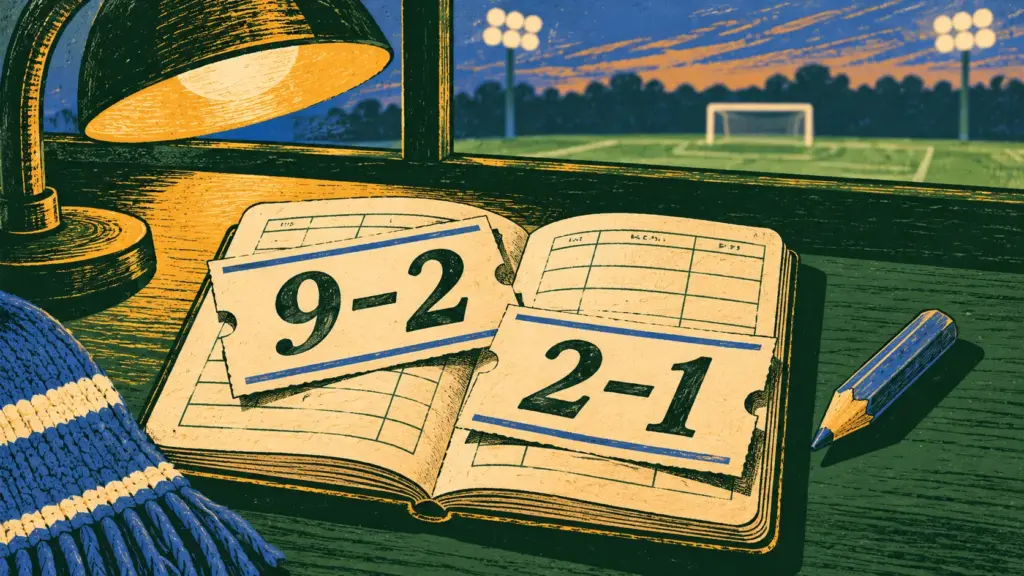
On the opening night of the 2024/25 league phase, Bayern beat Dinamo 9–2. A 1–0 defeat would also have sent the Croatian side home empty-handed. What the two defeats would have left behind in the table was very different. Subtract the nine goals conceded from the two scored and Dinamo had a goal difference of minus seven after one game.
They spent the autumn earning some of those goals back. A 2–0 win in Salzburg and a 4–1 win at Slovan Bratislava added five to the running total. Defeats by Dortmund and Arsenal took six away again. By the time Milan came to Zagreb on 29 January 2025, even a win could leave Dinamo waiting on scores elsewhere. You can trace the arithmetic through UEFA’s match-by-match results.
Martin Baturina put Dinamo ahead, Christian Pulisic equalised and Pjaca restored the lead with a shot across goal. As AS reported from the final round, the 2–1 win left Dinamo on minus seven. Club Brugge finished on minus four. Each club had won three times, drawn twice and lost three times. Brugge took the last play-off place.
Which column decides a Champions League tie?
Start with points. All 36 clubs share one table, although each plays only eight opponents. The first eight go straight to the round of 16. Places nine to 24 earn a two-legged play-off, and the league phase is the end of the competition for everyone below them. That makes eighth and 24th the two places worth marking on a copy of the table. UEFA’s league-phase format sets out both cut-offs.
When clubs finish level on points, compare their goal difference across all eight games. If that is level too, look at goals scored, then away goals scored, then wins and away wins. A useful detail for anyone comparing two sides who happened to meet along the way is that their head-to-head result has no special priority. Beating Milan helped Dinamo because it earned three points and improved their goal difference by one.
There is a wrinkle when you open the standings in November. Through matchday seven, teams still tied after those five comparisons share a rank. Their abbreviated names appear in alphabetical order. At the end of the league phase, UEFA can also compare how their respective opponents performed. If two teams look inseparable on your screen this week, check the figures before reading anything into which name appears first. UEFA lists the tie-breakers in order.
What to watch when the result looks settled
Try this with a game on the 24–25 November matchday. When a side goes two goals behind, glance at its neighbours in the table. If a substitute pulls one back in stoppage time and the match ends 2–1, his side has still lost. But he has improved its goal difference by one compared with a 2–0 finish. Put that goal in your match notes alongside the winner. Our guide to watching players across club and international football offers another way to choose one question to follow through a game.
Pjaca’s shot gave Dinamo a European win over Milan. The small minus sign beside their name explains why that was their last European game of the season. Both things were true when the whistle went in Zagreb.
Keep reading

International break explained: same players, a different game
November 11, 2026An international break explained through the players: what to watch when familiar club names join different teammates, coaches and expectations.
Before The Game and After The Game: How Shepherd Insights Work
July 16, 2026Understand how Shepherd by Oddsense uses data, probability, and football analysis to provide insights before matches and after them. This…
Accumulator Bets Explained: What To Know Before Your Next Parlay
July 16, 2026A clear Betting IQ guide explaining accumulator bets, how they work in football betting, risk factors and what African bettors…